

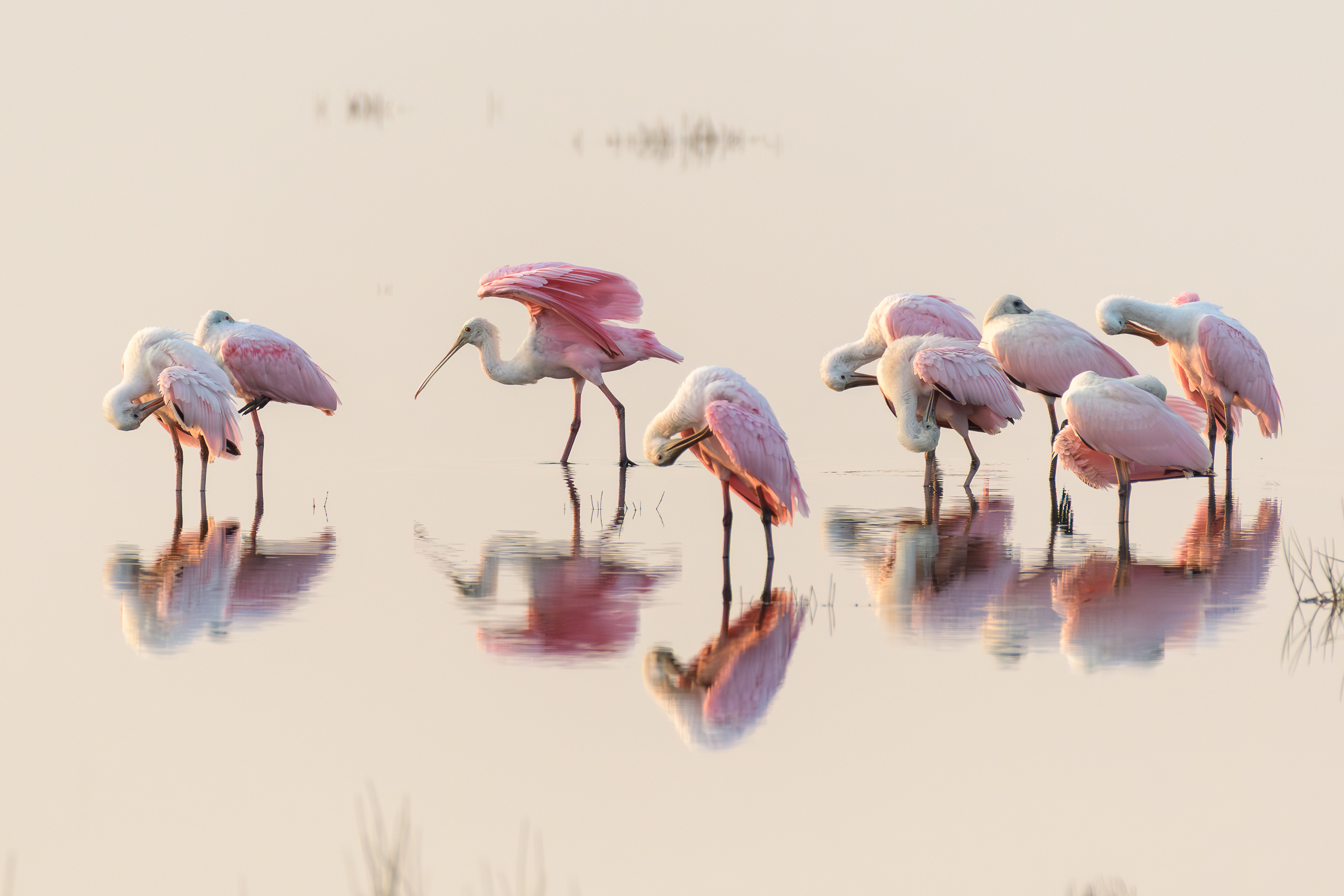
In 2025, Florida’s wild places tested our resolve and strengthened it.
This was a year filled with progress and pushback, celebration and frustration, long days in Tallahassee, and longer conversations with communities across the state. It was also a year that reaffirmed something essential about the people of Florida: you choose the wild.
From rivers to reefs, state parks to small (but vital) species, our supporters stepped forward again and again to defend the places that define this state. As we approach the Florida Wildlife Federation’s 90th anniversary next year, we reflect on twelve important lessons that 2025 taught us about what it takes to safeguard Florida’s water, wildlife, and wild spaces for the future.
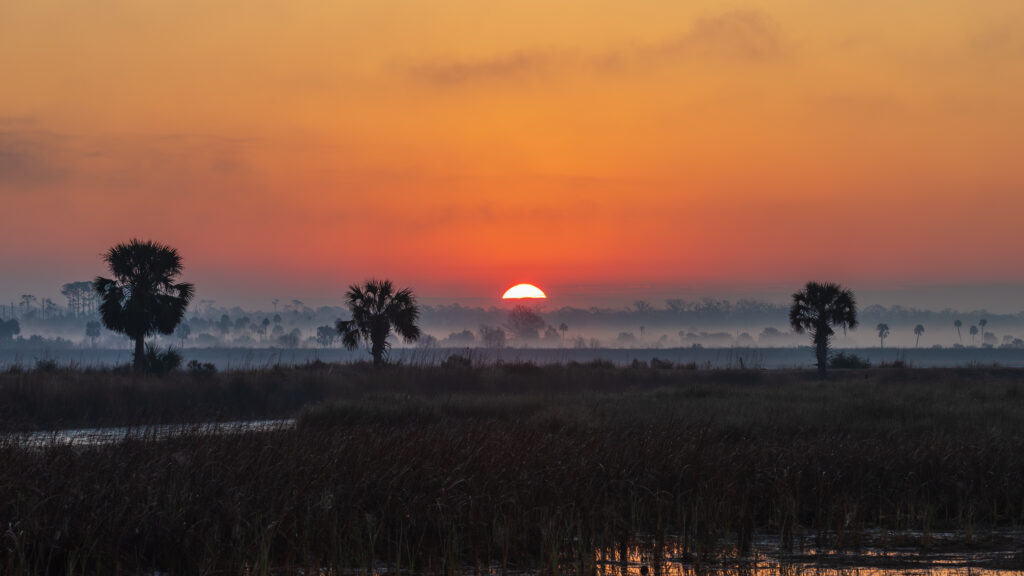
St. Marks Wildlife Refuge by Scott Ball
1. Water is still at the heart of every conservation effort.
The most urgent and defining battles continued to center on water this year. Across the state, it became increasingly clear that the health of our waterways directly shapes the future of entire ecosystems and local communities.
This year we celebrated with conservation partners when HB1143 was signed into law, which prevents oil drilling near the globally-significant biodiversity hot spot of Apalachicola Bay. In September, we renewed our efforts to stop the Port Everglades dredge until proper environmental protection measures are in place. Since 2016, we’ve been in litigation against this project that would bury thriving reefs in sediment, devastate marine habitats, and harm endangered species along our coast.
Protecting water in Florida means protecting life itself, and we must continue the fight to safeguard this critical resource.
2. Progress is rarely perfect, but it still matters
In our fight for waterways, the Ocklawaha River effort brought both hope and dispair this year. We secured historic funding for Ocklawaha restoration that was passed by the legislature, yet it was ultimately vetoed during the budget signing process. We’re already preparing for the 2026 Legislative Session to bring this effort back stronger than ever, and we’re highlighting the Rodman pool drawdown that started in October. This temporary change offers a glimpse of what a restored river system could look like and renewed public engagement around the importance of reconnecting natural flows. Conservation progress is not always linear, but momentum once built is hard to reverse.
3. The law remains a powerful tool for conservation
Early this year, we joined partners represented by Earthjustice to defend federal protections for the Florida scrub-jay, an endemic species found only in Florida. The ongoing lawsuit challenges Charlotte County’s habitat conservation plan and Endangered Species Act protections. By intervening, we hope to ensure development in scrub-jay habitats, and other endemic species, continues to follow responsible, science-based guidelines and that mitigation funds support restoration and land protection. This case demonstrates that strong laws and vigilant advocacy remain essential tools for safeguarding Florida’s unique wildlife and landscapes.
4. Protecting wildlife sometimes begins with the smallest actions
In March, we unveiled our new Florida Wildlife Habitat sign. This sign complements NWF’s Certified Wildlife Habitat program by recognizing spaces that provide food, water, shelter, and places for native species to raise their young. As development continues to fragment natural habitats across the state, backyards, patios, and even community spaces can serve as important stepping stones for wildlife.
The enthusiastic response from gardeners throughout Florida reinforced an important lesson: visibility matters. When people see conservation reflected in their neighborhoods, it encourages others to participate. These signs are also a reminder that small, persistent actions can create meaningful and lasting change for vulnerable species.
5. Collaboration creates lasting strength
Throughout this year, coalitions proved that collective action is one of the most important tools in conservation. By bringing together diverse expertise, these partnerships help bridge gaps, facilitate meaningful conversations, and generate coordinated action on priority policy issues. This year, we renewed our focus on panther population recovery, convening partners across the state to identify practical, science-based steps for protecting this iconic species. Coalitions multiply impact, enabling complex challenges to be addressed with a united front and reinforcing the power of working together for Florida’s wildlife and wild spaces.
6. Land protection secures a lasting lifeline
The protection of land continued to be one of the most impactful forms of conservation in Florida. We were proud to launch a new initiative with the Gulf Partnership to sponsor costs associated with land trust transactions. On the policy side, we were disheartened when Florida Forever was drastically underfunded this budget year, yet glad to support projects like the Little Orange Creek acquisition and the expansion of San Pedro Bay project boundary. Together they will secure protection for over 6,000 acres of vulnerable lands as refuge for wildlife and a source of inspiration and recreation for generations.
7. Bipartisan unity is still possible for Florida’s environment
One of the most encouraging moments of 2025 was the unanimous passage and signing of the State Park Preservation Act. This landmark legislation affirmed that Florida’s 175 state parks are to be protected from incompatible development. It demonstrated that conservation must rise above political differences when the love for public lands is shared across communities and leaders.
8. Early action can prevent permanent loss
Florida’s public lands proved vulnerable—again—this year. An attempted land exchange involving the Guana River Wildlife Management Area was withdrawn after swift community opposition prevented it from reaching state decision makers. Later in the year, a social media post suggesting the closure of the Chassahowitzka (Chaz) River campground and potential future surplus sparked another rapid response that helped keep the site from moving further toward the loss of public access. Together, these close calls revealed that the earliest warning signs often appear as quiet evaluations with little notice, underscoring how important vigilance and public engagement are in protecting Florida’s conservation lands.
9. The conservation movement continues to grow
This year saw increased engagement through our new Field Trip events, record participation in our annual Photo Contest, the launch of our Conservation Champion series, and the continued expansion of our Livestreams. These initiatives reached diverse audiences and encouraged more people to form a personal connection with wild Florida, because growing appreciation leads to growing protection.
10. Community support is reflected in real numbers
The impact of collective action could be seen clearly in our metrics this year:
- 5,000,000+ social media reach
- 650,000+ website visits
- 29,000+ advocacy actions taken
- 1,600+ Livestream views
11. Future leaders are already being shaped
By investing in education and opportunity, 2025 helped cultivate the next generation of environmental stewards. Through awarding seven scholarships to students in the Department of Wildlife Ecology and Conservation at the University of Florida, we aspire to help give young people the tools and inspiration to lead future conservation efforts. These emerging voices will carry Florida’s environmental mission forward in new and powerful ways.
12. Conservation is a long-standing promise, and we are honoring it
As the Florida Wildlife Federation approaches its 90th anniversary, this year served as a reminder that conservation is not just a response to threat. It’s a promise that spans decades. For nearly 90 years, individuals like you have stood with us to protect rivers over roads, forests over fences, and wildlife over short-term convenience. In 2025, that promise was honored once again through action and hope.
The challenges facing Florida’s environment are real and ongoing, but together we can keep Florida wild. There are many ways you can help us to continue this work:
- Stay informed through our updates and newsletters
- Take action when critical issues arise
- Give today to help us defend Florida’s water, wildlife, and wild spaces
Florida’s future will be shaped by the choices made today. This year you were clear: you chose the wild.


You’re speaking at our Lakewood Ranch Rotary Club. We are really looking forward to the presentation. Thank you.