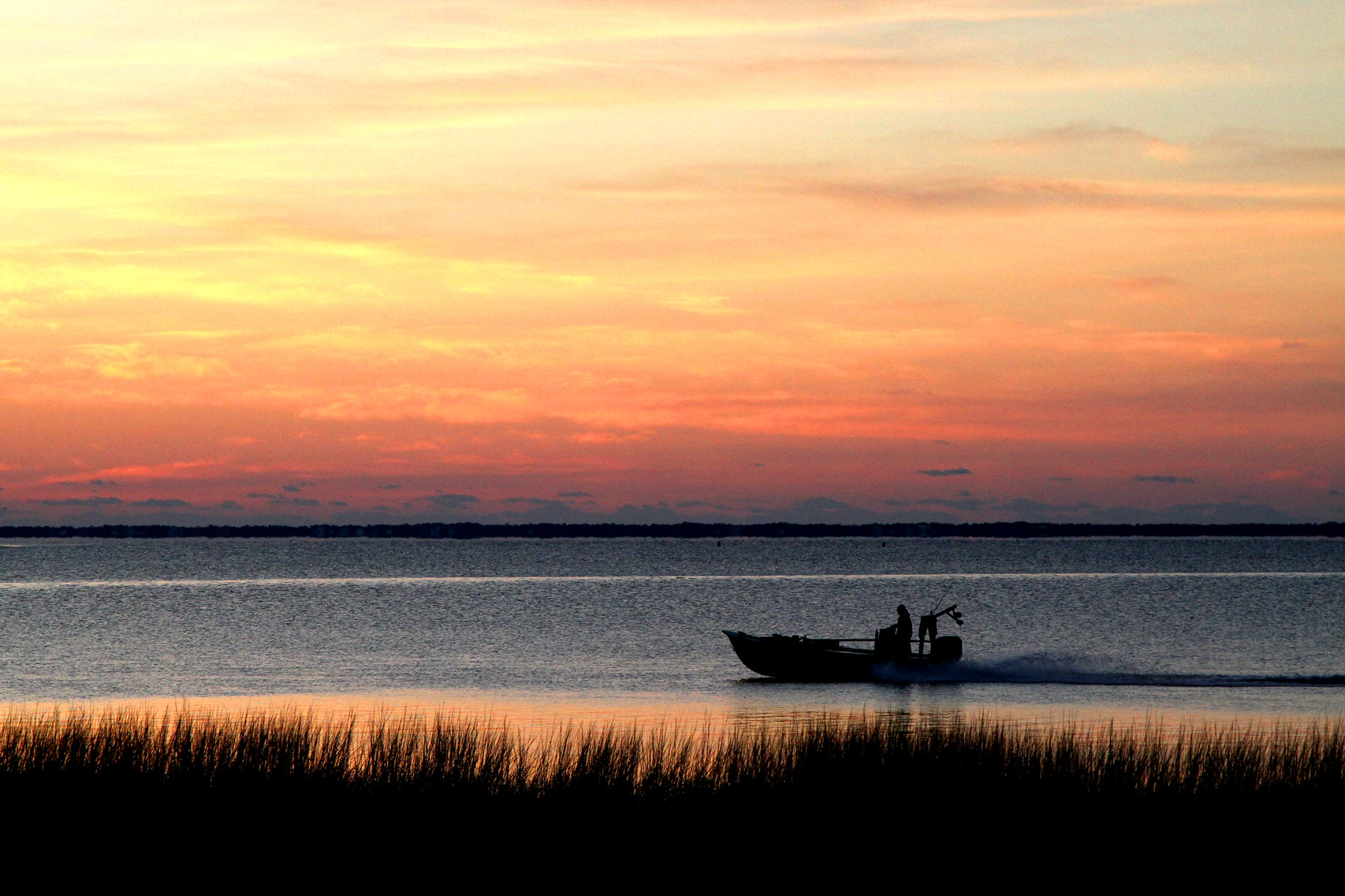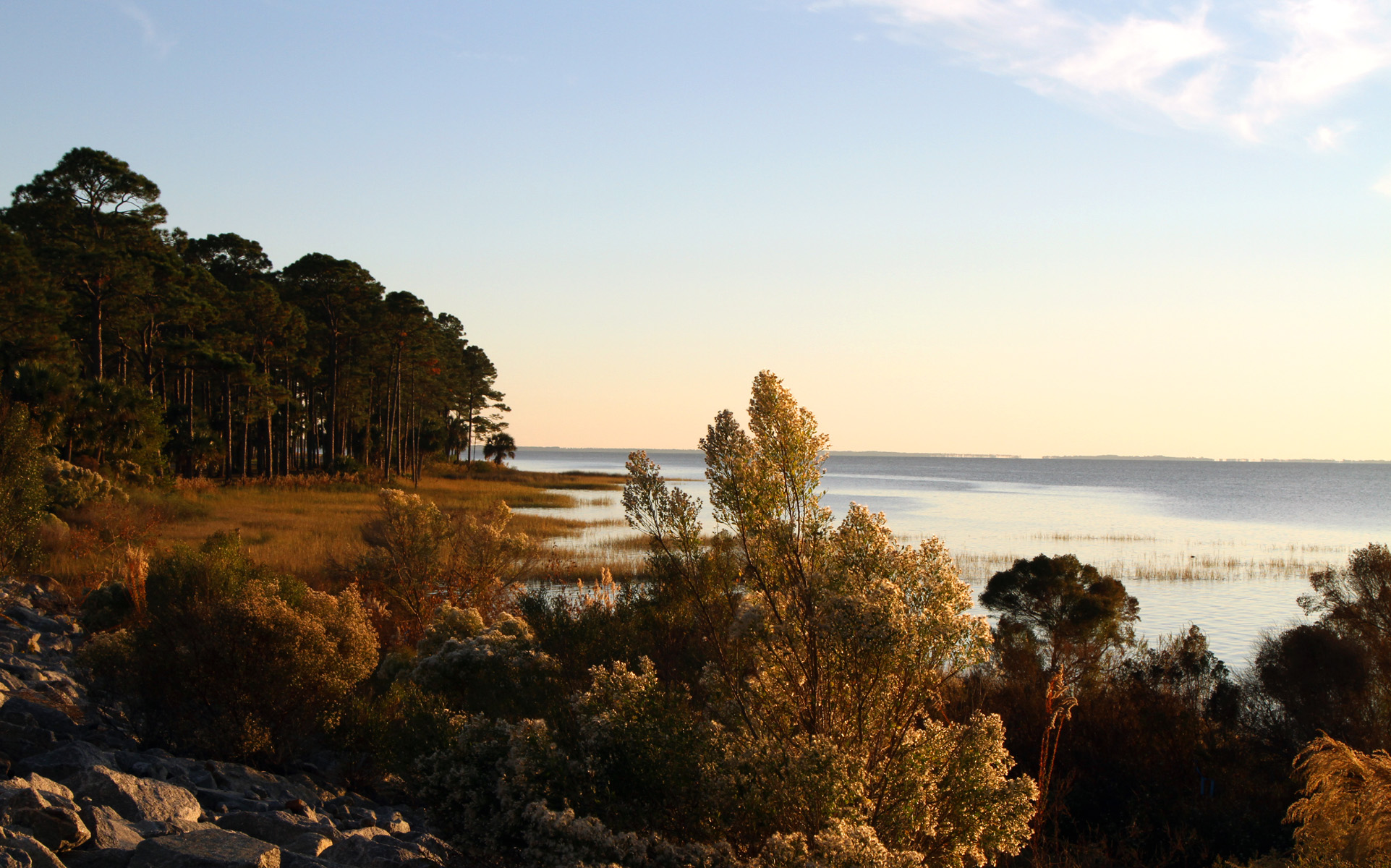

The Apalachicola River and Bay are globally recognized for their biodiversity and cultural importance. The Florida Wildlife Federation is fighting threats from oil drilling to harmful water management—securing protections and pushing for restored freshwater flows.
Apalachicola River and Bay
Overview
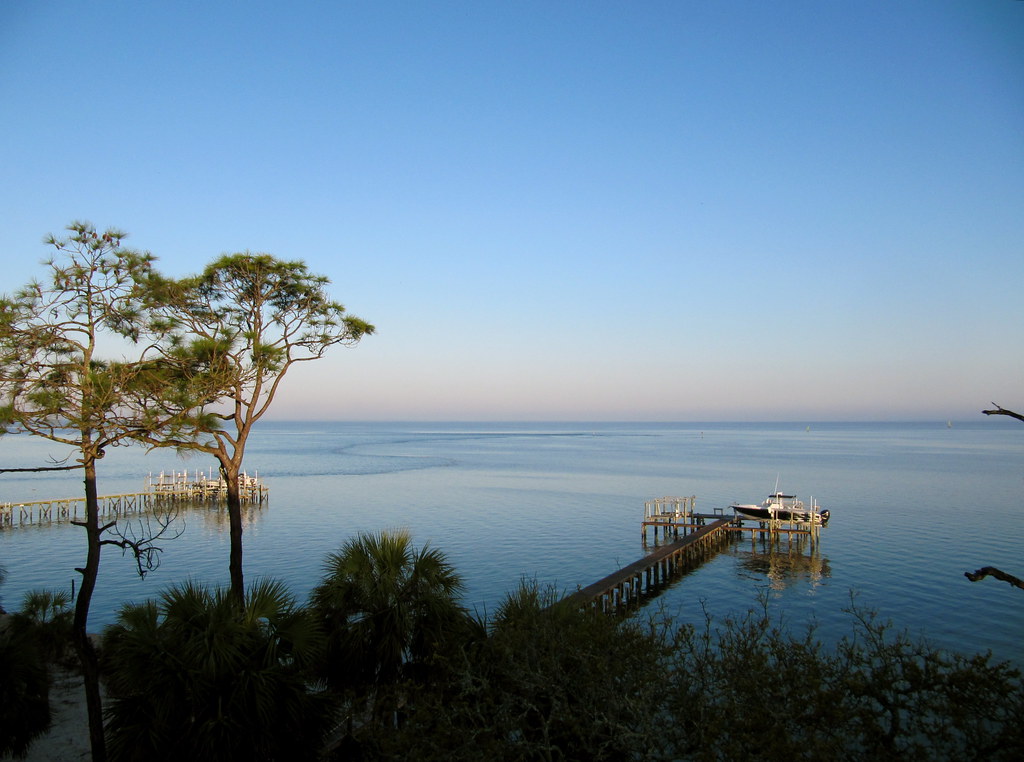
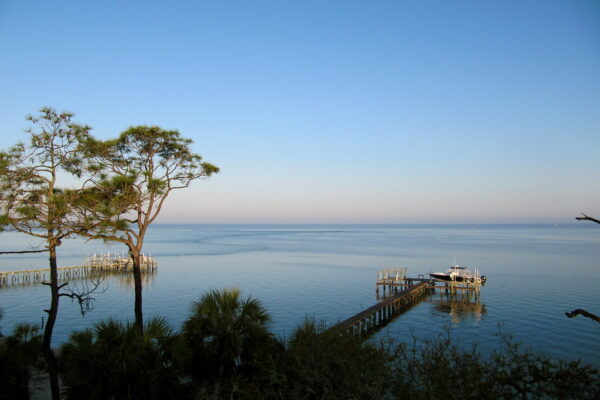
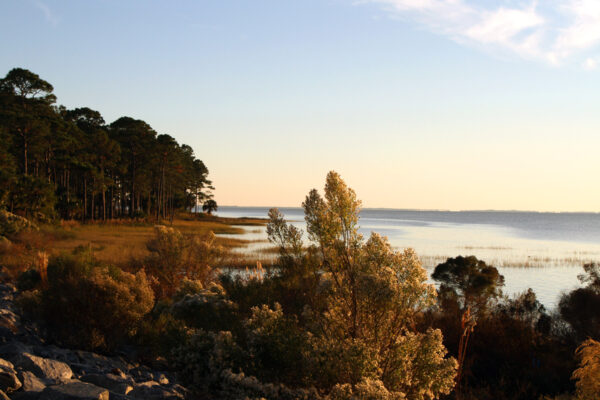
Florida Wildlife Federation has long been involved in protecting and restoring Apalachicola Bay, one of Florida’s most important ecosystems. Once home to 90% of Florida’s wild oysters and a key contributor to the U.S. oyster supply, the bay has faced numerous challenges including pollution, unsustainable harvesting, and inadequate freshwater flow. Our work combines science, community engagement, litigation and advocacy to ensure the long-term health of this vital estuary.
History and Challenges
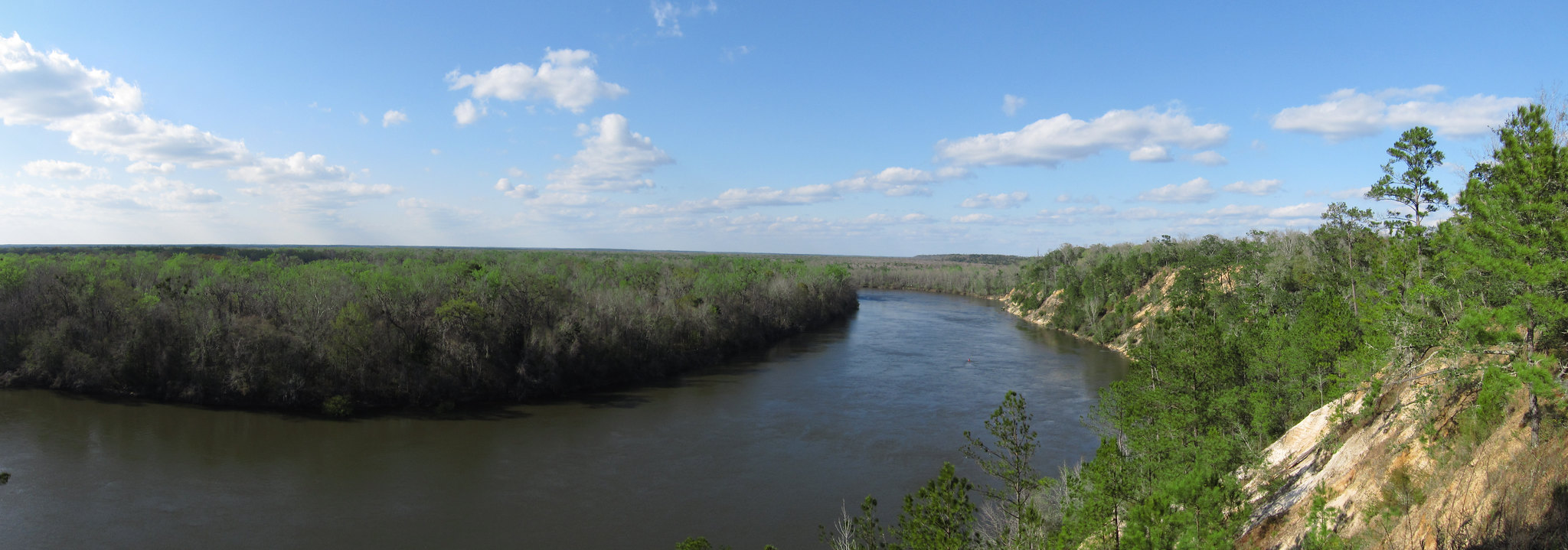
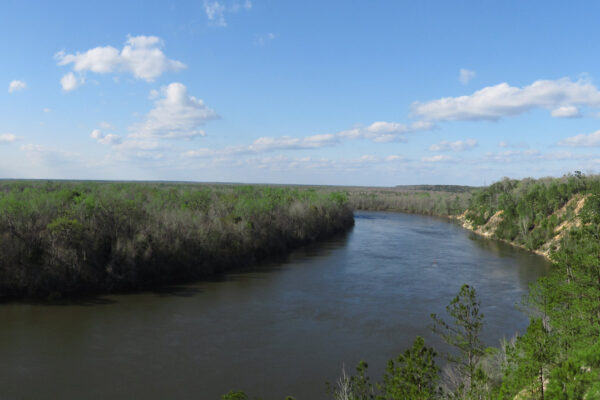
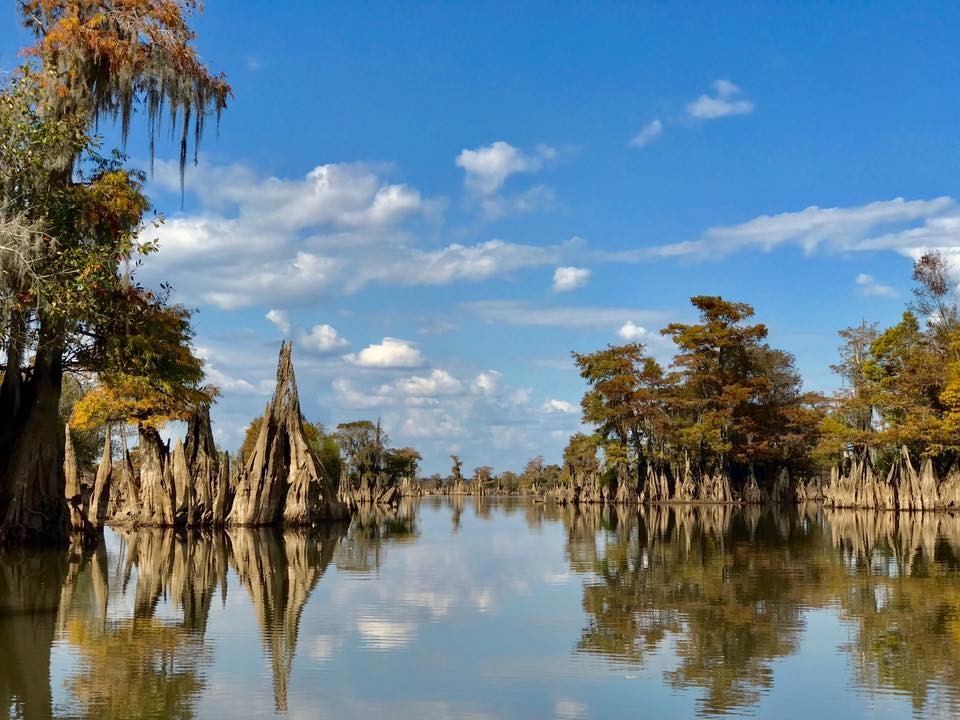
Apalachicola Bay and River are internationally recognized as a Biosphere Reserve, supporting 144,000 acres of floodplain and one of the last unbroken bottomland hardwood forests in the nation.
Key challenges over the past decade:
- Environmental stressors: Prolonged droughts, increased water consumption upstream, and overharvesting following the Deepwater Horizon oil spill led to the collapse of Apalachicola Bay’s oyster population
- Water management: U.S. Army Corps of Engineers’ plans threatened freshwater flows in the Apalachicola-Chattahoochee-Flint River Basin – vital for oysters and other wildlife.
- Oil exploration threats: More recently, DEP proposed exploratory drilling in the fragile floodplain, sparking opposition from local communities and conservation groups.
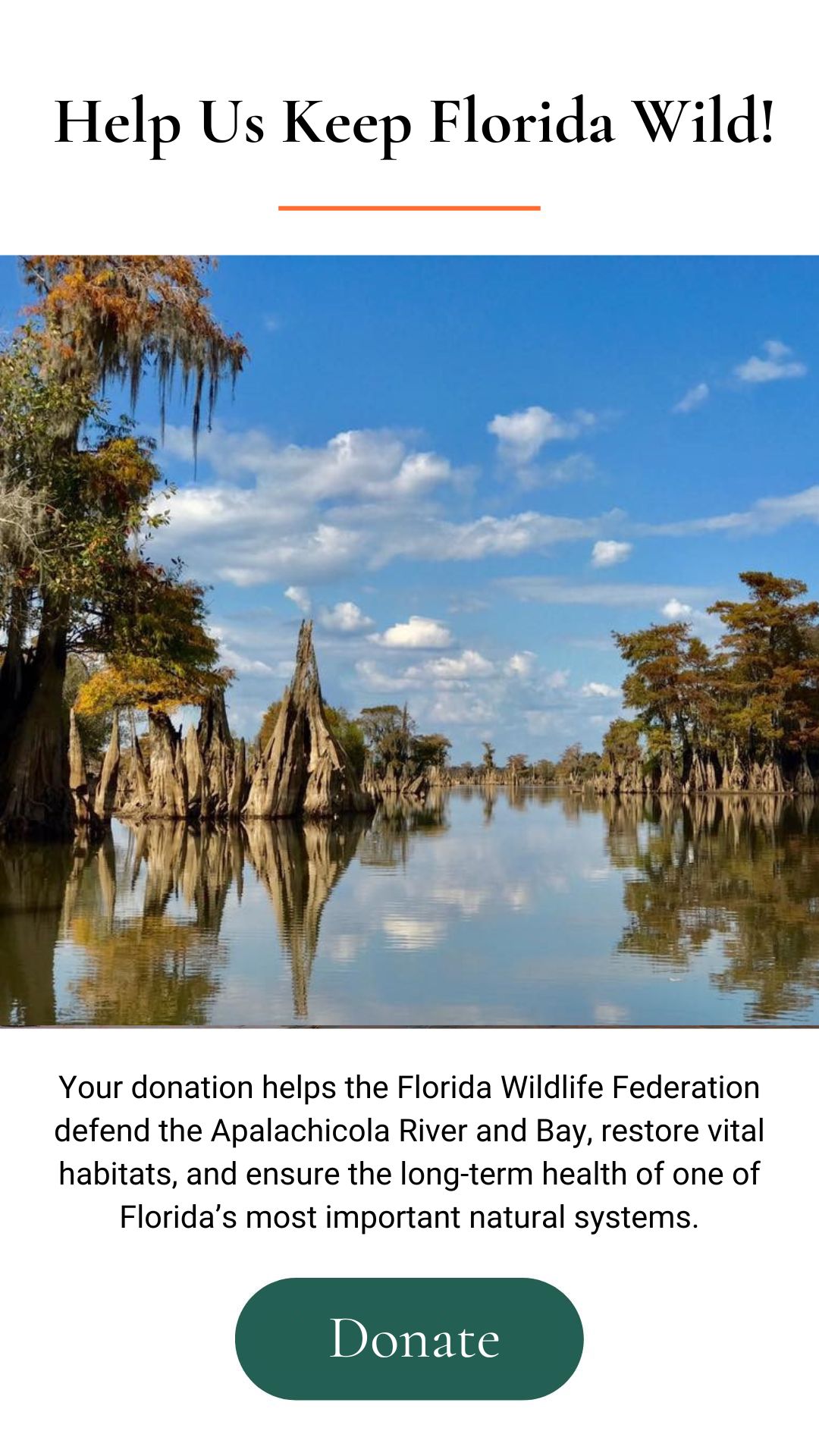
The Apalachicola River Basin is the downstream heart of the larger Apalachicola–Chattahoochee–Flint (ACF) River system, which begins in the mountains of Georgia and Alabama and flows more than 400 miles to Apalachicola Bay. The volume, timing, and quality of freshwater moving through this basin directly shape the health of the river’s floodplain forests, the productivity of Apalachicola Bay’s fisheries, and the livelihoods of coastal communities.
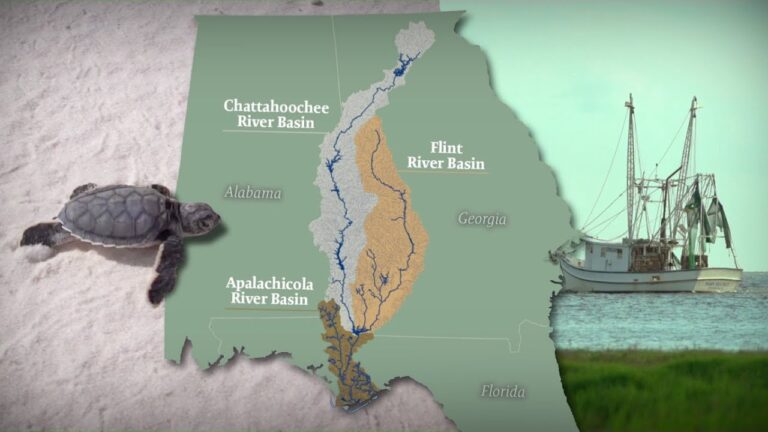
Graphic courtesy of Apalachicola National Estuarine Research Reserve
Conservation in Action
The Florida Wildlife Federation has been actively defending Apalachicola Bay and River system through both litigation and legislative advocacy to protect the ecosystem and the communities that depend on it.
We’ve helped publicize, support, and engage with community stakeholders through the Apalachicola Bay System Initiative (ABSI), particularly in drafting restoration & management plans for oysters and oyster‐habitat restoration.
Legal Action:
Since 2017, in partnership with Earthjustice, we’ve challenged the U.S. Army Corps of Engineers’ water management plans for the Apalachicola-Chattahoochee-Flint (ACF) River system. These plans failed to comply with federal environmental laws, including the National Environmental Policy Act, the Water Resources Development Act, and the Fish and Wildlife Coordination Act.
Key points of the litigation include:
- Initial lawsuit: Filed to compel the Corps to protect fish and wildlife habitats, ensure adequate freshwater flows to the bay, and incorporate scientific recommendations into the water management plan.
- October 2021 appeal: Earthjustice filed in the U.S. Court of Appeals for the Eleventh Circuit on behalf of Florida Wildlife Federation, the National Wildlife Federation, and Apalachicola Riverkeeper. The appeal emphasized that the Corps’ Water Control Manual would dramatically increase upstream withdrawals, restrict downstream releases, and amplify “drought operations” by 600%, threatening ecosystems and local livelihoods.
- Community impact: The Corps’ mismanagement has harmed fisheries, oyster harvesting, shrimping, and other livelihoods dependent on the river and bay. The litigation represents a critical effort to restore freshwater flows and ensure a legally compliant, science-based management plan.
Legislative Victory:
- HB1143 (2025): In response to the proposed exploratory drilling, we joined advocacy efforts spearheaded by locals such as the Downriver Project and Apalachicola Riverkeeper. This culminated with the passing of HB1143, banning oil drilling near the bay and protecting both the ecosystem and local fisheries.
How You Can Help
The future of Florida’s waterways like Apalachicola Bay depends on bold conservation, sound science, and citizen action to ensure these ecosystems—and the communities that rely on them—can thrive. You can help by:
- Participating in oyster shell recycling programs.
- Consider a donation to support Florida Wildlife Federation advocacy efforts and campaigns.
- Engaging with local community initiatives focused on habitat restoration.
Your support makes a tangible difference in protecting Apalachicola Bay and other critical Florida ecosystems.
Latest news about Apalachicola

Florida's waters need your help
From wild rivers and scenic lakes, to our renowned beaches and springs, our waters are under constant threat. Your gift today will support the fight for clean waters and healthy ecosystems.
Support