

Elusive, adaptable, and unmistakably wild, the Florida bobcat (Lynx rufus floridanus) is one of the state’s most iconic native predators. Bobcats are rarely seen, but as winter settles in, these secretive and integral cats begin moving more frequently across the landscape. This seasonal shift coincides with the peak of bobcat breeding season, which spans winter and early spring.
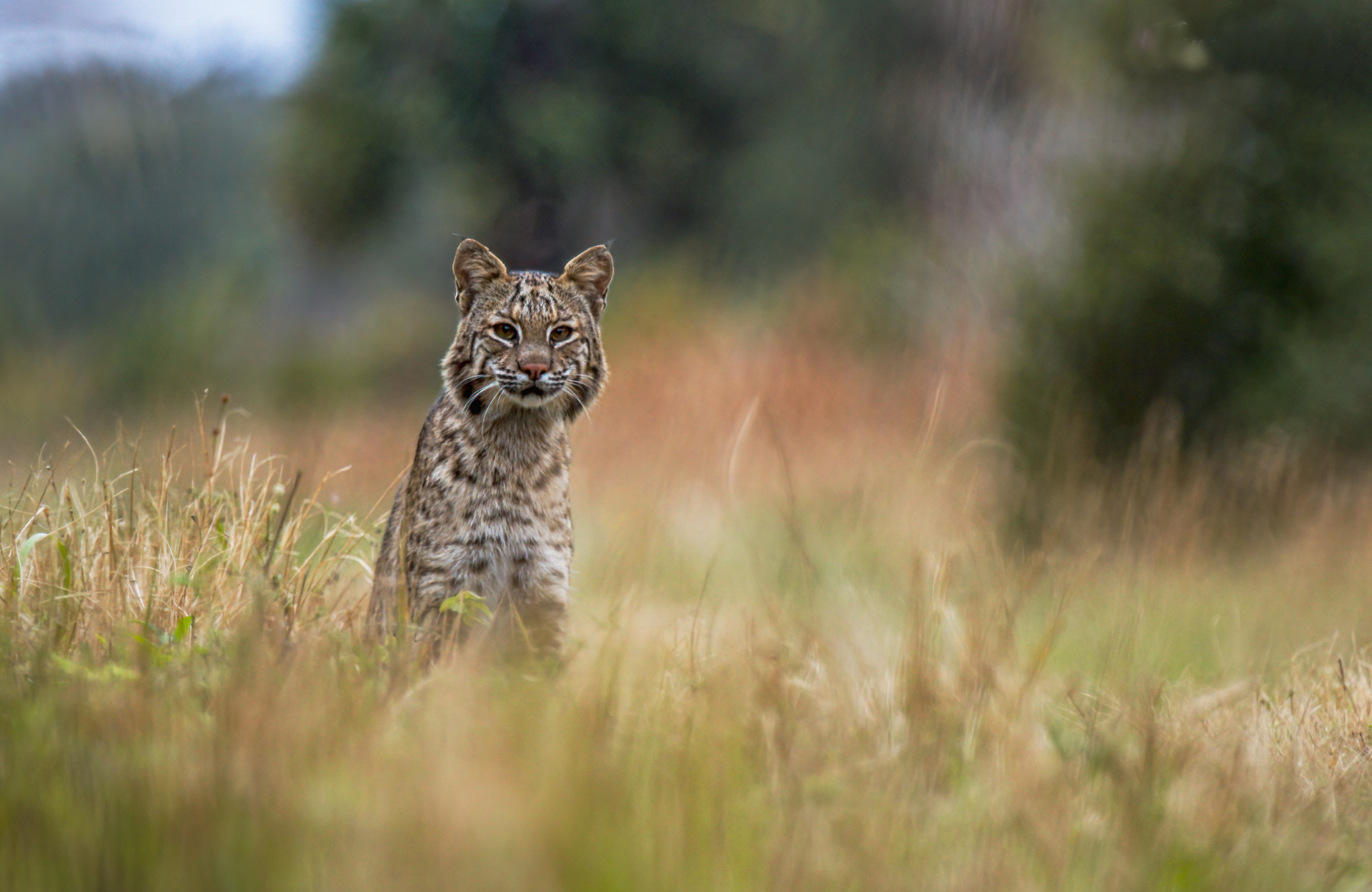
Florida Bobcat by Jaye Patrick
Meet the Florida Bobcat
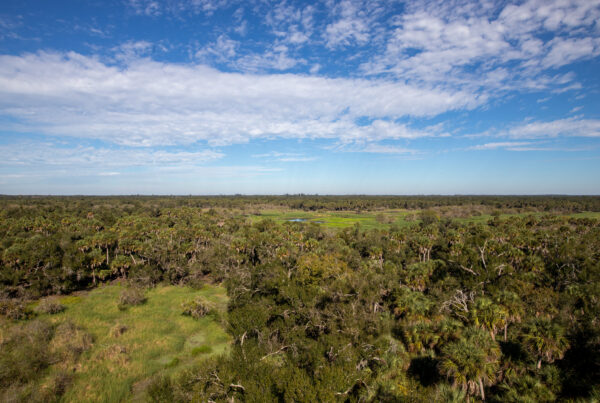
Florida’s bobcat is a subspecies of the widespread North American bobcat and can be found throughout much of the state, from forests and wetlands to scrub, prairies, and even the edges of developed areas. They are recognizable by their spotted coat, muscular build, and signature short “bobbed” tail tipped with black. Adults typically weigh between 15 and 35 pounds (relatively small compared to other wild cats). Despite their size, bobcats are highly skilled predators that rely on stealth, patience, and quick bursts of speed rather than long pursuits.
Bobcats are solitary and primarily crepuscular, meaning they are most active at dawn and dusk. Their diet includes rabbits, rodents, birds, reptiles, and occasionally larger prey. Because of their spotted coats and elusive nature, bobcats are sometimes mistaken for Florida panthers. However, bobcats are much smaller, lack the long tail of a panther, and have distinctive ear tufts and facial ruffs that help set them apart.
Bobcat Breeding Season
Bobcat breeding season in Florida typically occurs during the winter and early spring, with January falling within the peak of this important period. During this time, bobcats become more active and vocal, using calls, scent marking, and expanded movements to locate mates. While they are usually secretive and difficult to spot, this heightened activity can lead to more observations in wildlife management areas, preserves, and other protected natural lands where suitable habitat remains intact.
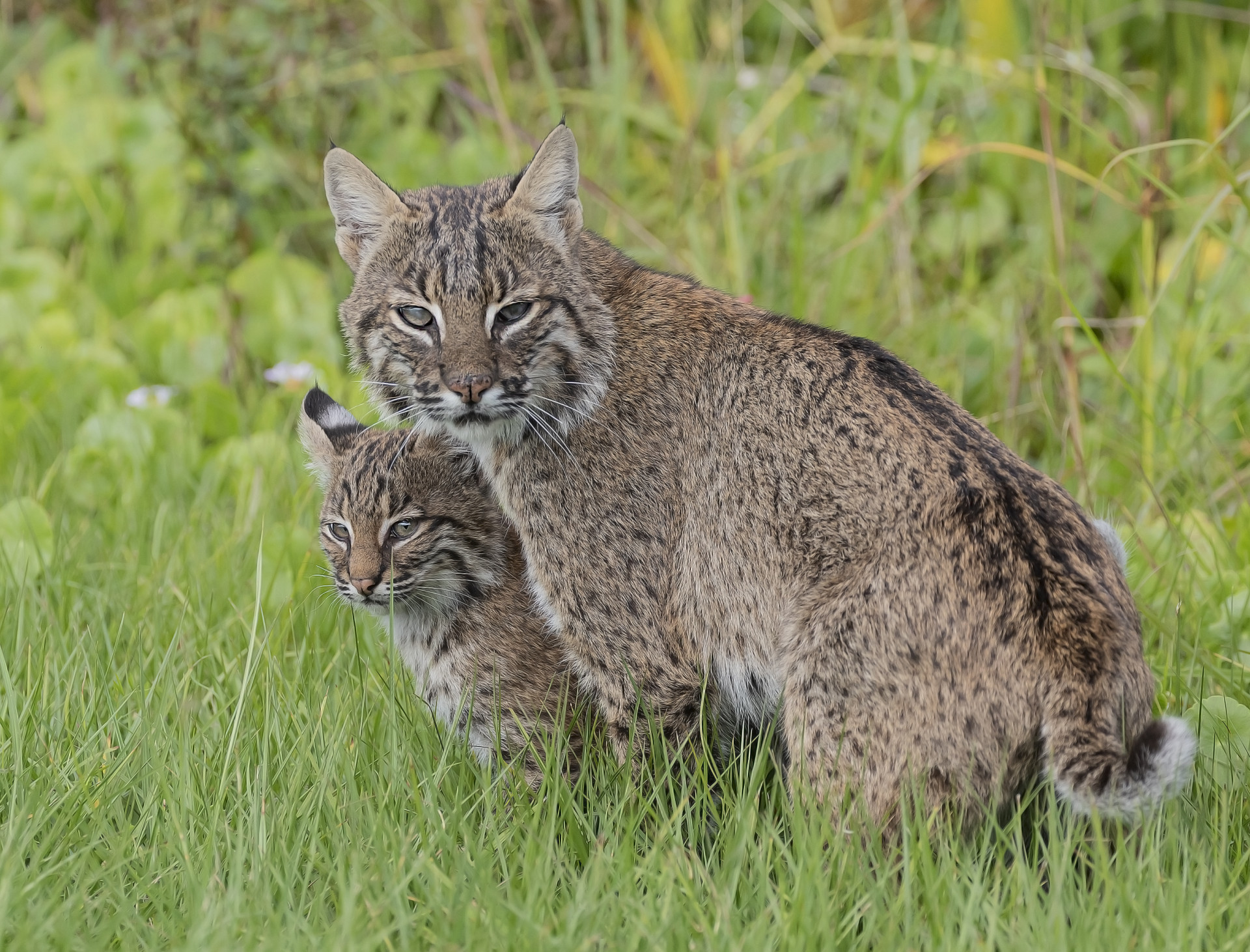
Florida Bobcats by Ruth Pannunzio
After mating, females experience a gestation period of about two months and typically give birth in early spring. Litters usually consist of one to four kittens, which remain with their mother for several months as they learn the essential skills needed to survive on their own.
Why Bobcats Matter
As mid-sized predators, bobcats play a critical role in Florida’s food web. By regulating populations of small mammals and other prey, they help maintain healthier, more resilient ecosystems. Their presence often signals relatively intact habitat, making bobcats an important indicator species for the overall health of wild lands.
Despite their adaptability, bobcats depend on connected landscapes to survive. Habitat loss, fragmentation, and vehicle collisions remain significant threats, especially as roads and development continue to divide natural areas across the state.
Living Alongside Bobcats
Seeing a bobcat in the wild is a rare and special experience. Bobcats are naturally wary of people and rarely pose a threat. With a few simple precautions, people and wildlife can safely coexist. Giving wildlife space, securing pets and attractants, and slowing down on roads near natural areas—especially during breeding season—can help reduce conflicts and keep both people and wildlife safe.
Protecting large, connected habitats and supporting wildlife-friendly infrastructure, such as wildlife crossings, are essential to ensuring bobcats and other wide-ranging species can move safely across the landscape.
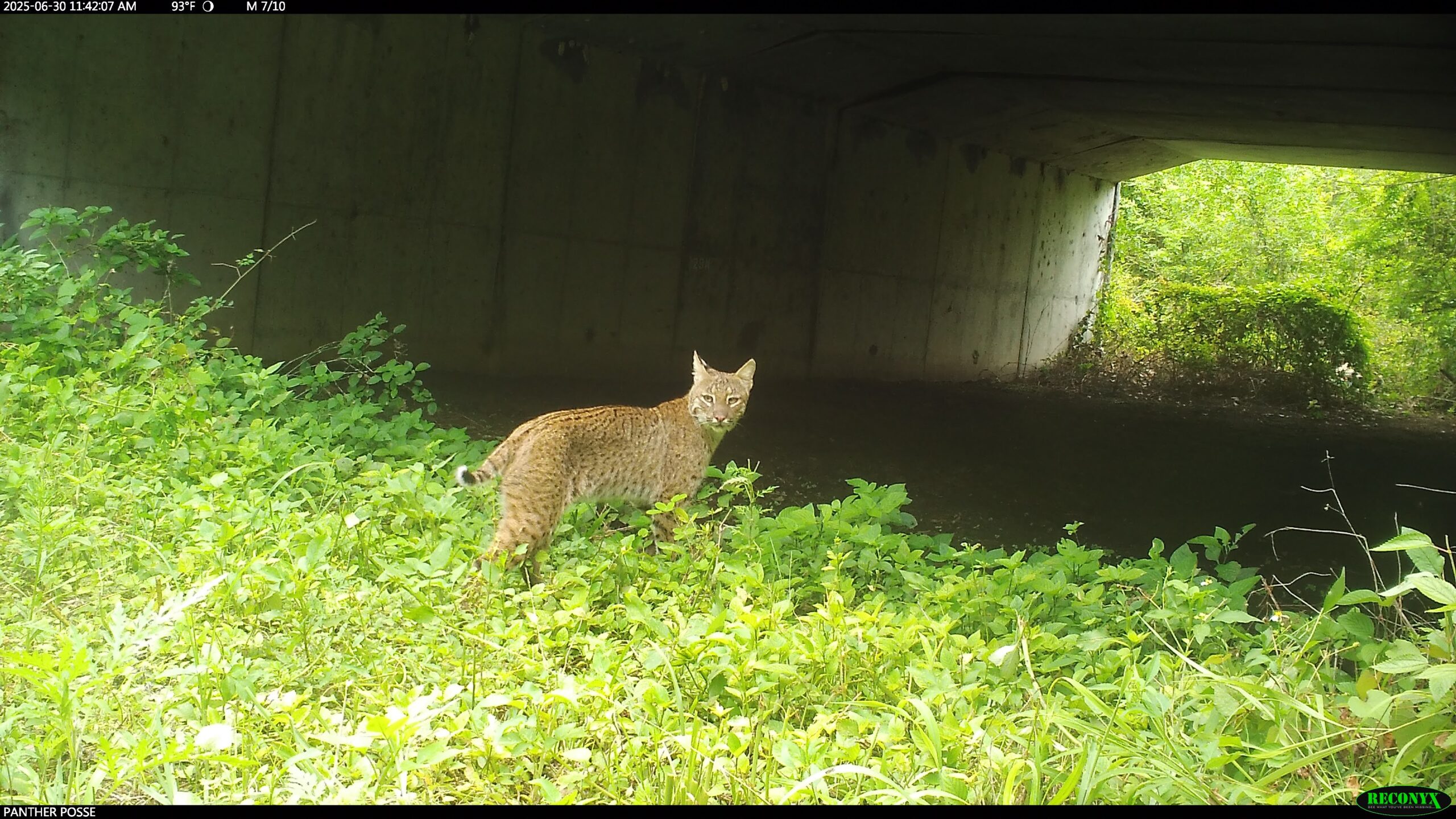
Photo courtesy of FDOT State Wildlife Crossings Map, USFWS, and FGSU Wings of Hope Panther Posse.
As January falls within peak bobcat breeding season, it serves as a reminder that Florida’s wildlife follows rhythms far older than our roads and neighborhoods. By safeguarding wild spaces and reconnecting fragmented landscapes, Floridians can help ensure the Florida bobcat remains part of our state’s natural heritage.